Xelivor
Xelivor
Xelivor
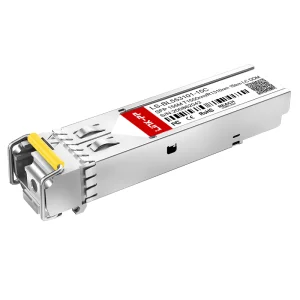
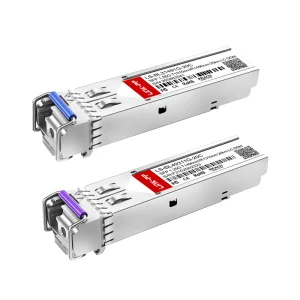
Designed for immediate integration into high-performance industrial controllers, carrier networks, and enterprise core switches.
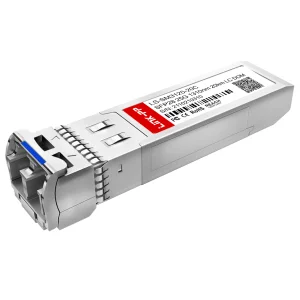
An in-depth analysis of the industrial migration towards high-speed 2.5G to 6G SFP optical networks.
As Austria advances its national "Breitband Strategie 2030" (Broadband Strategy 2030), the demand for high-reliability, high-throughput network architectures has reached an unprecedented scale. Beyond residential fiber expansion, the core drivers of Austria's optical transmission growth lie in its industrial hubs. Upper Austria (Linz, Wels) and Styria (Graz), home to world-class steel fabrication, automotive suppliers, and mechanical engineering giants, are rapidly implementing "Industrie 4.0" frameworks.
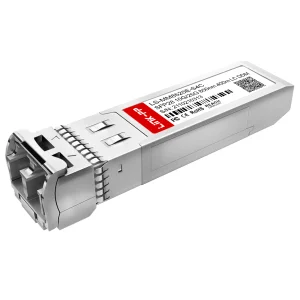
Smart factories rely on real-time sensor loops, machine vision QA, and closed-loop control systems. Standard gigabit networks are increasingly bottlenecked by these massive data streams. To bypass electromagnetic interference (EMI) typical in heavy-machinery environments, optical transceiver solutions are replacing traditional copper setups. In these industrial zones, 2.5G to 6G SFP modules represent the critical hardware bridge between field devices and central control systems.
Historically, industrial systems relied on legacy Fast Ethernet or 1G networks. Today, several convergence vectors demand higher transit speeds:
"Industrial setups in Austria operate under extreme environment parameters—ranging from freezing Alpine winters to high-heat fabrication zones. Achieving zero-packet loss requires a meticulous alignment between transceiver firmware customization and the physical layer build quality."
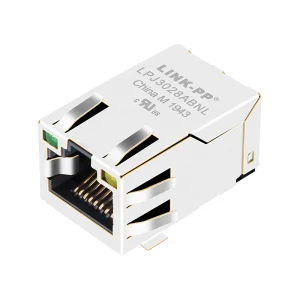
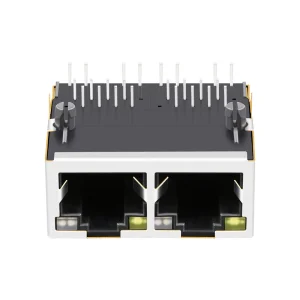
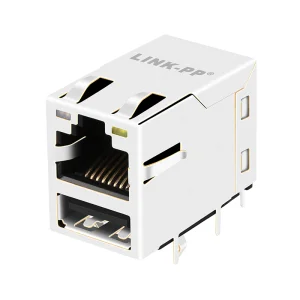
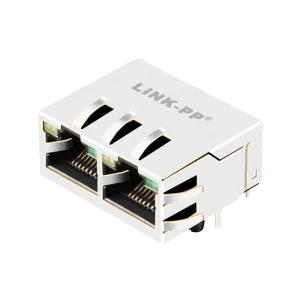
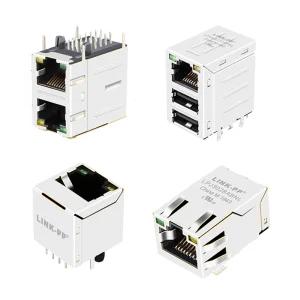
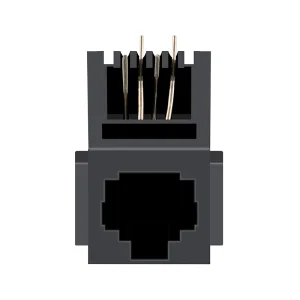
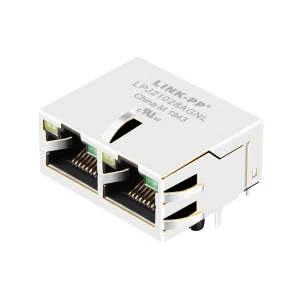
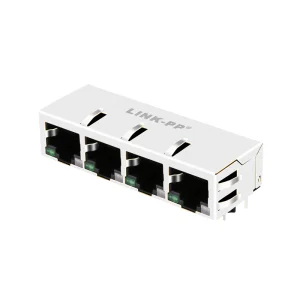
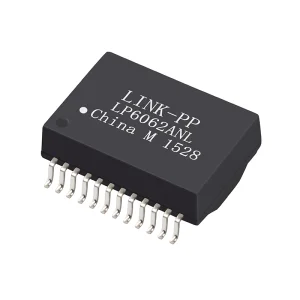
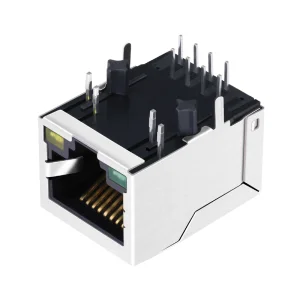
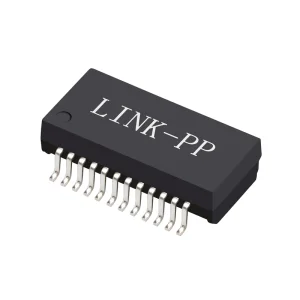
While upgrading to high-speed transceivers, modernizing industrial sites must account for existing infrastructure. Often, critical control interfaces utilize legacy form factors and specialized copper breakouts. This coexistence between modern fiber backbones and classic Ethernet systems is vital for seamless upgrades without massive operational downtime. Below are key components that bridge these legacy connections in Austrian railway, utility, and heavy industry plants:
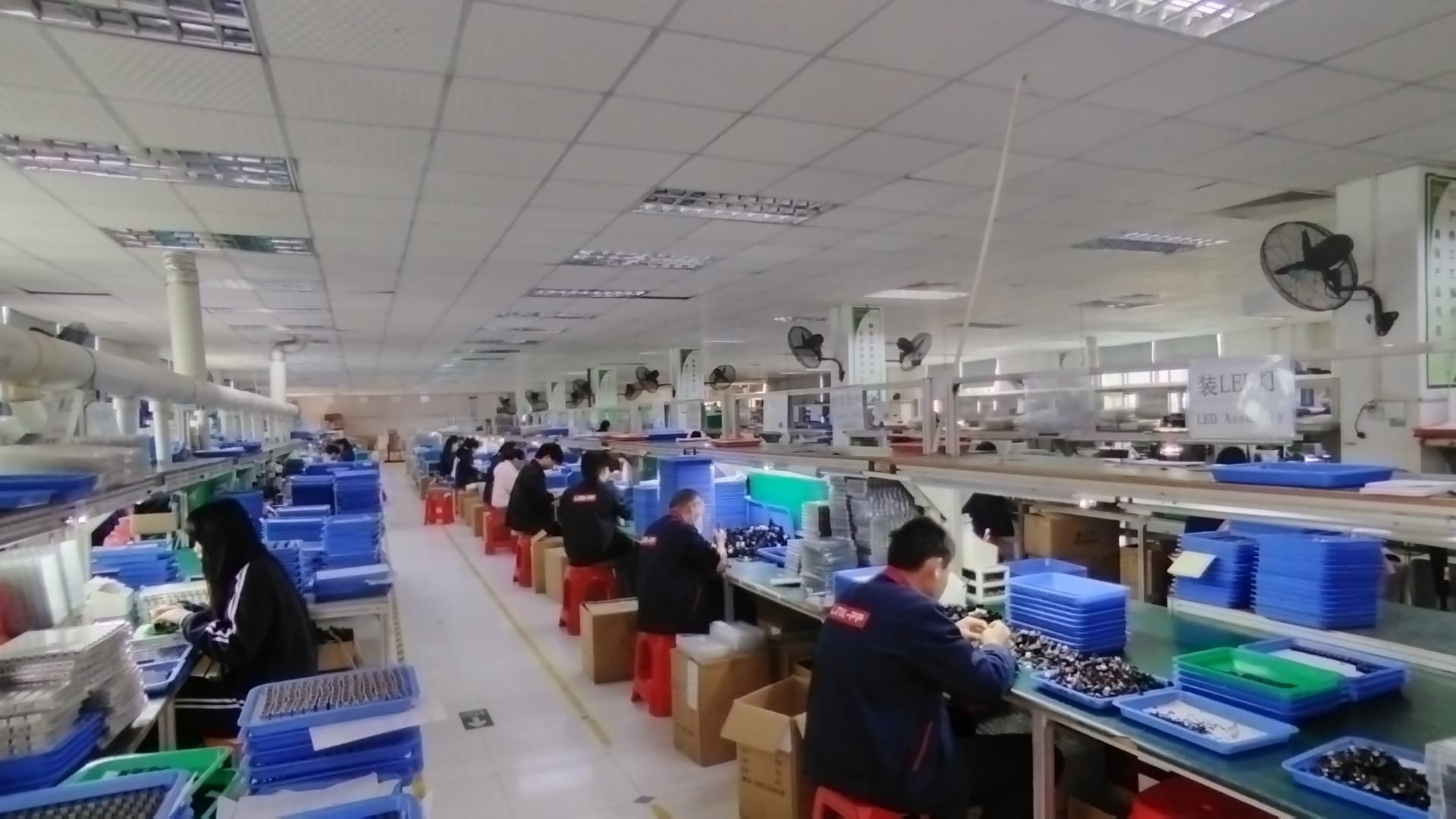
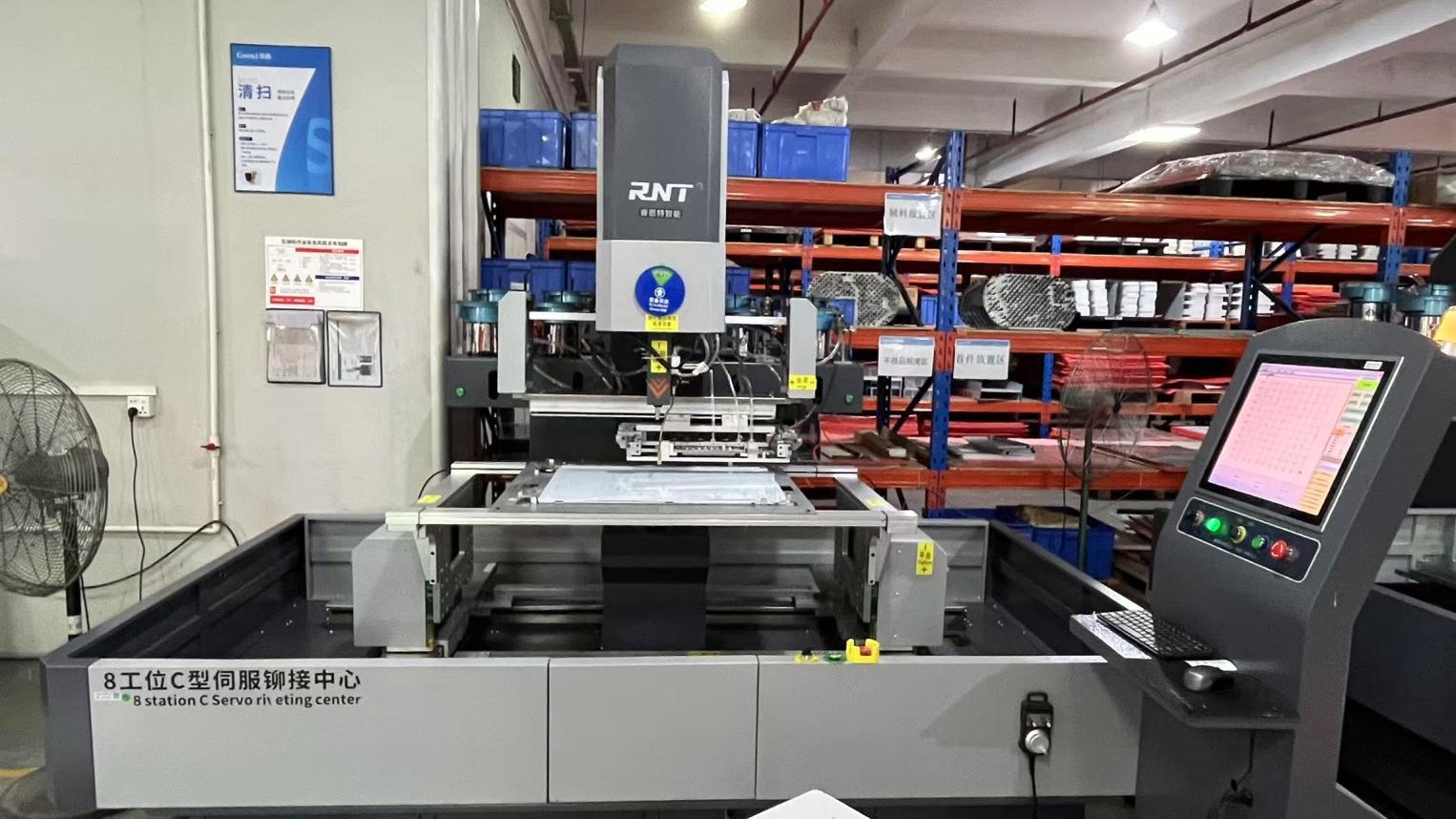
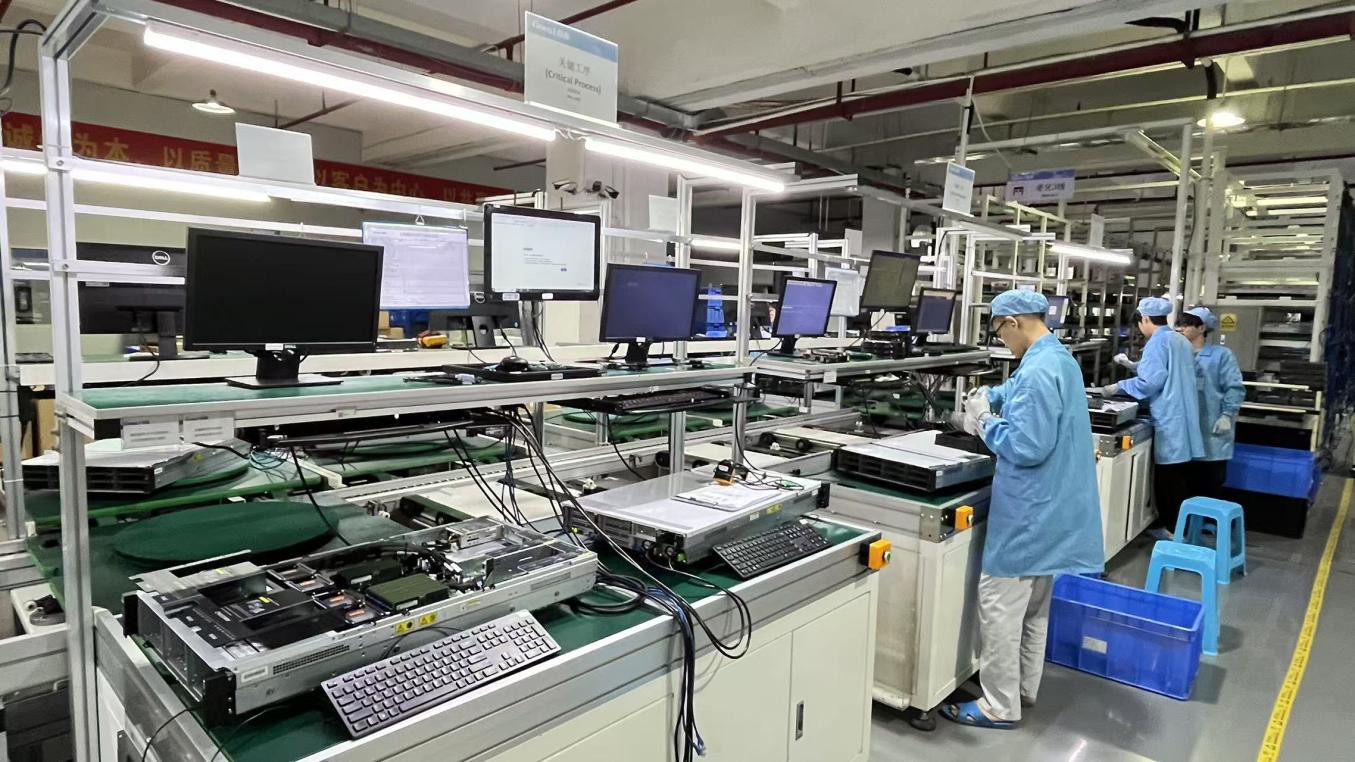
How Xelivor integrates advanced manufacturing technologies to guarantee high-volume, defect-free exports to European markets.
Procuring optical modules from a Chinese manufacturing partner is no longer just a quest for cost reduction—it is an strategic alignment with technological agility. Xelivor Optoelectronics Co., Ltd. leverages a highly optimized production system. Established in 2016, our facility is engineered specifically to yield ultra-reliable transceivers, ensuring that Austrian distributors, system integrators, and telecom operators receive products matching the highest international standards.
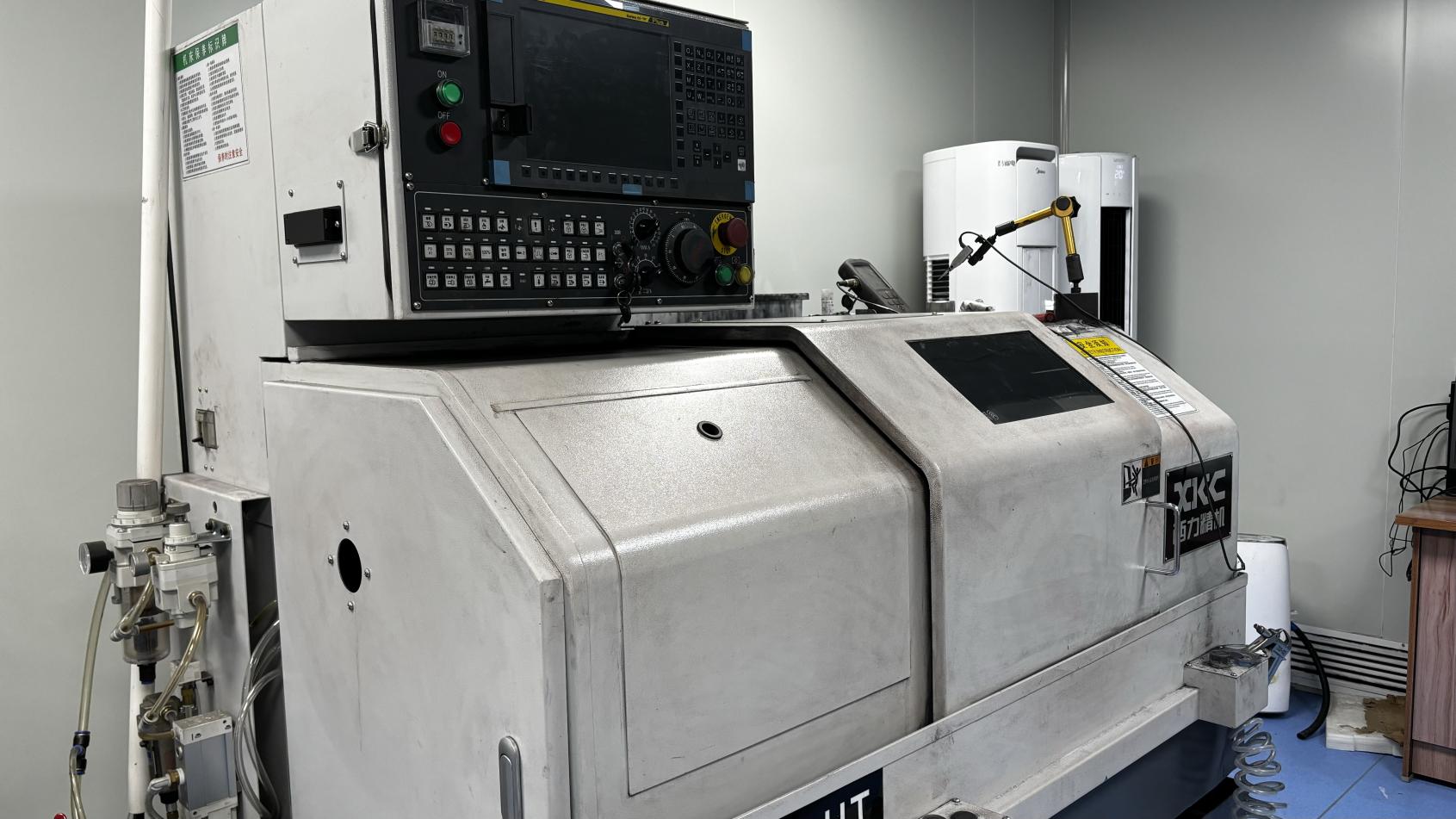
Real-world integration scenarios demonstrating where and why our specialized SFP modules are deployed.
Austrian energy companies require resilient data links to monitor alpine hydroelectric facilities. Our industrial-grade transceivers transmit telemetry data over long-distance single-mode fiber routes, ignoring the extreme electrical noise generated by massive turbine dynamos.
Large distribution centers in Styria and Vienna employ automated AGVs guided by wireless access points. These APs connect back to the local warehouse switch using 2.5G and 5G copper/fiber interfaces, requiring latency-free conversion from local transceivers.
The Austrian railway network (ÖBB) demands strict safety protocols. Fiber-connected track monitoring sensors run on ruggedized optical loops, requiring modules with extended lifespans, low thermal signatures, and dynamic real-time DDM diagnostics.
Fully compliant with EU regulations (CE, RoHS) and engineered to provide maximum reliability in high-density rack mounts.
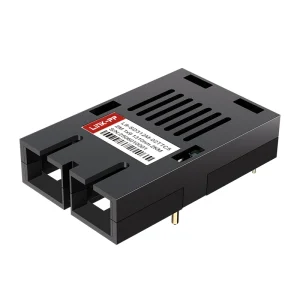
Everything you need to know about custom clearance, software compatibility, and shipping protocols when sourcing from Xelivor.