Xelivor
Xelivor
Xelivor
High-reliability modules and mechanical enclosures optimized for cold-start environments, high density, and critical electromagnetic compliance in Canadian network configurations.
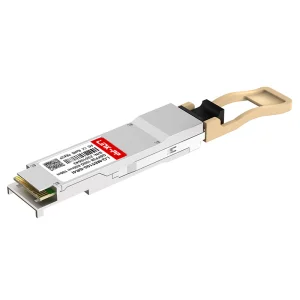
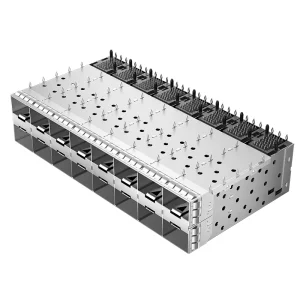
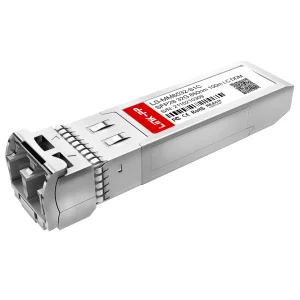
The acceleration of the Canadian digital economy has driven unprecedented investments in telecommunications infrastructure, high-performance computing, and edge cloud systems. Major technology hubs in Toronto, Montreal, and Vancouver are experiencing a surge in data center installations. SFP (Small Form-factor Pluggable) cages act as critical mechanical enclosures that house transceiver modules. These hardware components are vital in bridging the physical media to high-speed PCBs, ensuring optimal signal path routing, thermal dissipation, and electromagnetic interference (EMI) containment.
Canada’s geographical expansiveness presents unique structural challenges. Communications infrastructure must stretch across vast distances, connecting remote regions with metropolitan backbones. From the extreme temperature fluctuations of Alberta’s industrial facilities to the massive multi-tenant data structures in Quebec, hardware engineers are demanding ultra-reliable, compliant, and rugged SFP cages. As Canada ramps up its 5G network rollouts and transitions from 10G and 25G architectures to 100G, 200G, and 400G deployments, sourcing top-tier optical cage assemblies that guarantee structural longevity has become a key engineering directive.
Designed with nickel-silver and copper alloy spring fingers, offering up to 20dB of shielding attenuation at high GHz ranges to secure clean signal execution.
Engineered to operate seamlessly under cold-start climates down to -40°C, and industrial-grade high-heat environments scaling up to +85°C.
Full conformance with CSA C22.2, UL 94-V0 flammability ratings, FCC Part 15, RoHS, and REACH guidelines for risk-free deployment in Canada.
When selecting SFP cages for high-reliability network appliances, engineering teams must evaluate three main facets of performance: electromagnetic compatibility (EMC), thermal performance, and mechanical compliance.
High-frequency data lines (e.g., 28Gbps SerDes lines for SFP28 and 112Gbps for QSFP-DD) naturally emit electromagnetic fields that can disrupt surrounding circuits. To block this, our SFP cages feature comprehensive perimeter ground points. We offer two configurations:
Modern transceivers dissipate considerable heat (often between 1.5W and 5.5W per module). Without adequate thermal management, optical lasers can suffer thermal runaway, reducing performance or causing component failure. Our SFP cages are engineered with integrated openings for riding heat sinks. These heat sinks contact the transceiver directly, drawing heat away and channeling it into the system airflow.
| Parameter/Feature | SFP/SFP+ Cage | SFP28 Cage | QSFP28/QSFP56 Cage | QSFP-DD Cage |
|---|---|---|---|---|
| Data Rates Supported | 1 Gbps to 10 Gbps | Up to 28 Gbps | Up to 100 / 200 Gbps | Up to 400 / 800 Gbps |
| EMI Shielding Options | Stainless Steel, Spring Fingers | Copper Alloy, Spring/Gasket | Elastomeric Gasket / Springs | Double-layered Elastomeric Gasket |
| Mating Style | Press-fit / SMT / Wave | Press-fit (Compliant Pin) | Press-fit (Compliant Pin) | Press-fit (Dual-Row Compliant) |
| Thermal Rating | -40°C to +85°C | -40°C to +85°C | -40°C to +105°C | -40°C to +105°C |
| Target Application | Edge Routers, Switch Panels | 25G Telecom Backhaul | Enterprise Data Centers | Hyperscale Networks, AI Clusters |
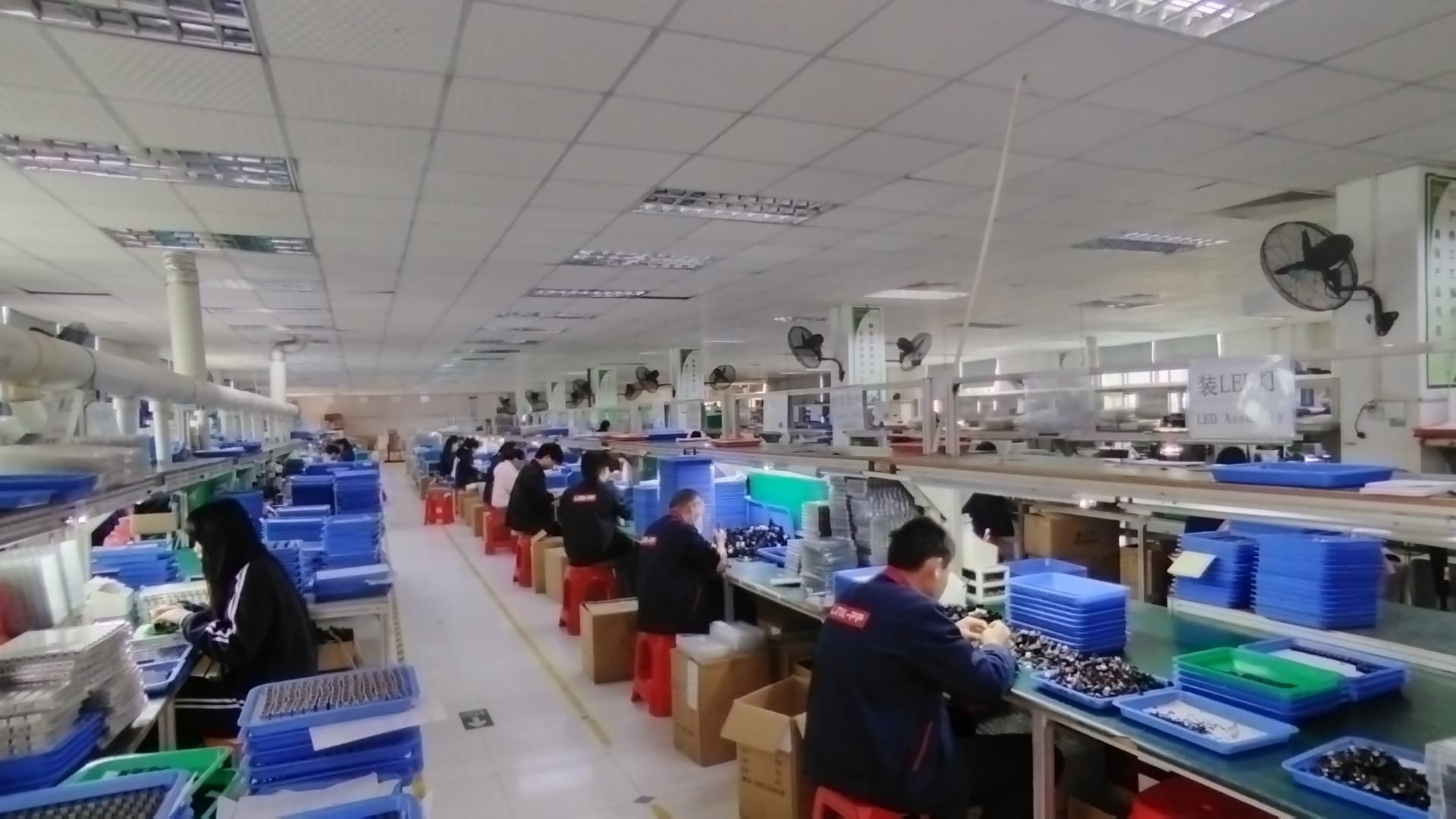
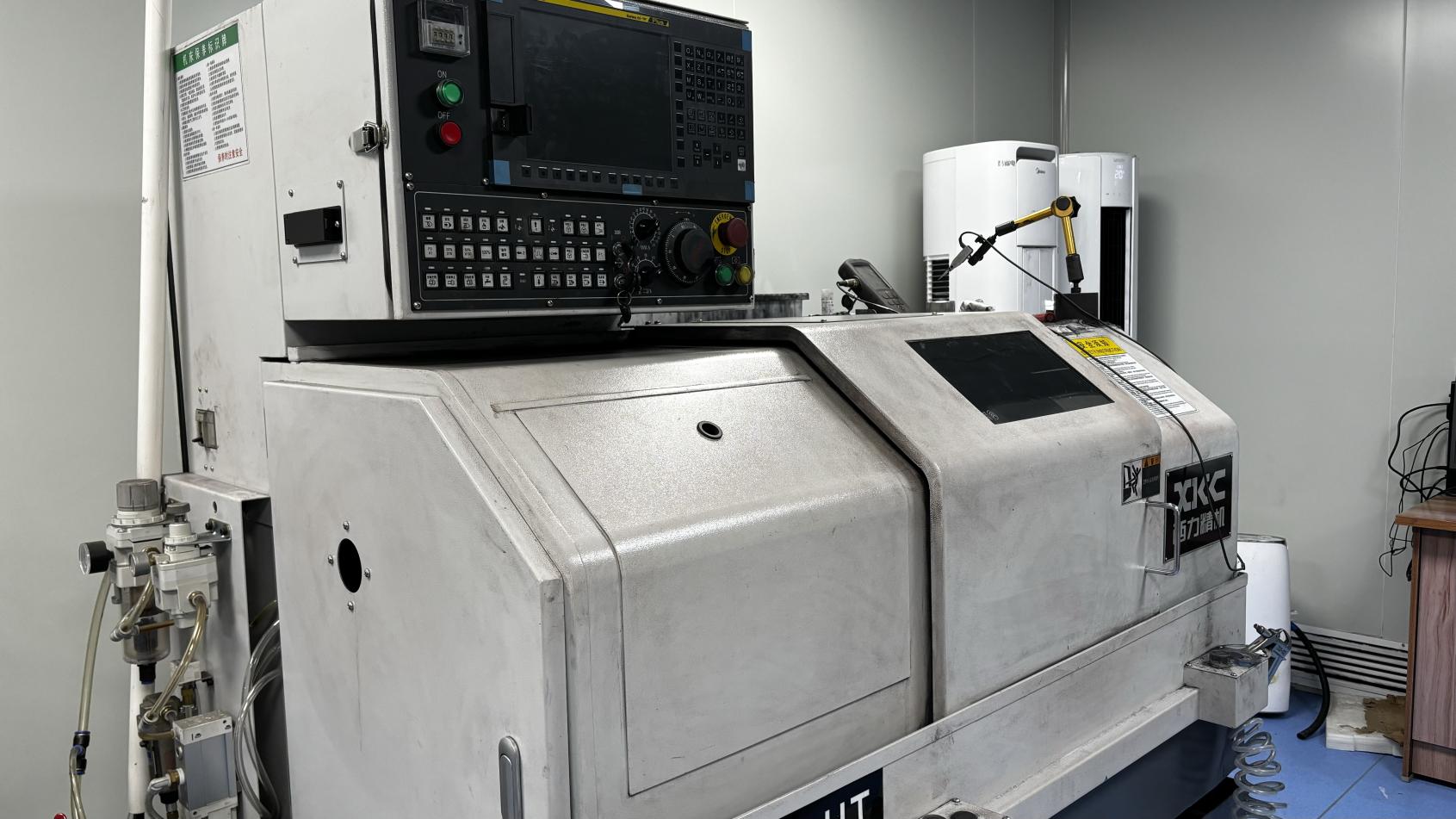
For high-volume production, mechanical stability and repairability are paramount. Compliant press-fit pins allow solderless board mounting, preventing thermal stress on the PCB substrate and reducing fabrication defects. Our manufacturing process uses automated assembly tooling, ensuring the retention strength of each compliant pin exceeds standard industrial thresholds (e.g., Telcordia standards), ensuring secure mounting under physical shock and vibration.
Xelivor Optoelectronics Co., Ltd. is a leading professional manufacturer of optical transceivers and high-precision fiber connectivity solutions, serving global datacenter, enterprise network, and telecom industries. Established in 2016, we operate a modern, high-precision manufacturing facility covering 386 m² and have established a reputation for robust, high-performance network connectivity hardware.
With over 8 years of industry experience and 6 years of export history, Xelivor achieves annual export revenues exceeding USD 12 million. Our products are exported globally, with a strong focus on North America (especially the Canadian market), Europe, and Southeast Asia. To support Canadian telecommunication projects, we offer customizable solutions, including OEM, ODM, custom firmware, custom packaging, and specialized labeling.
Our engineering team consisting of 68 R&D engineers continuous develops new products to keep pace with evolving networks, having introduced more than 85 new products last year alone. Our quality team of 32 QA inspectors oversees a multi-layered quality assurance process, spanning incoming material inspections, automated optical testing, signal integrity validation, and final mechanical inspections. By collaborating with over 850 supply chain partners, we ensure stable sourcing, competitive pricing, and rapid transit times to Canada.


Networks in Canada operate across diverse industrial and physical environments. Our SFP cages are designed for the following applications:
To bridge the digital divide, initiatives like the Universal Broadband Fund deploy hardware in demanding outdoor cabinets. Our SFP cages are designed to withstand condensation and severe temperature fluctuations without oxidation, maintaining consistent ground connectivity.
In Alberta’s mining, gas, and oil sectors, network gear is exposed to continuous mechanical vibration. Our press-fit cages feature high-retention structural tabs, ensuring transceivers stay seated and link connections remain stable under heavy physical stress.
Carriers like Rogers, Bell, and Telus require dependable fiber backhaul architectures. Our cages support clean high-frequency transmission, helping telcos maintain low-loss networks that comply with strict CRTC standards.
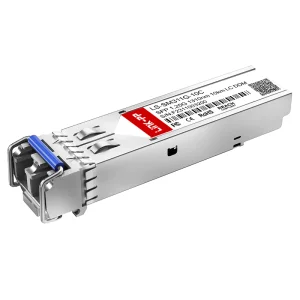
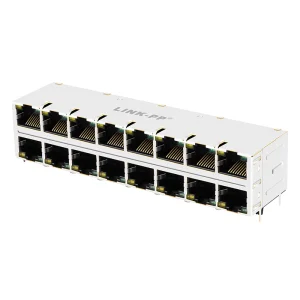
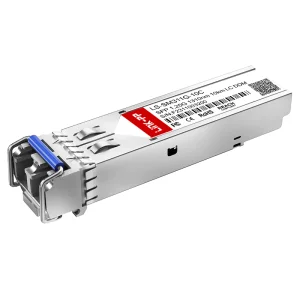
Explore our full line of compatible products engineered for seamless integration alongside SFP cages in server nodes, switches, and industrial routers.
Direct technical insights to help network architects, hardware engineers, and purchasing teams design and source connectivity hardware for the Canadian market.