Xelivor
Xelivor
Xelivor
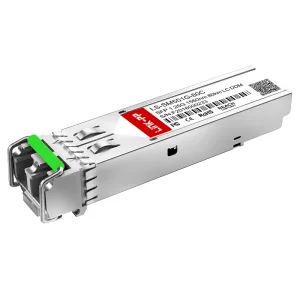
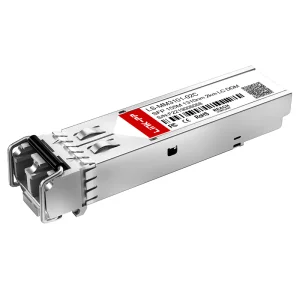
Highly optimized SFP optical interfaces and high-speed SMT connector series engineered for deployment in Belgium's telecom switches, advanced edge computational gateways, and modular routers.
As the administrative heart of the European Union, Belgium has emerged as a high-density nexus for cloud routing, commercial telecommunications, and industrial automation. High-speed, high-density infrastructure investments in key hubs like Brussels, Antwerp, Ghent, and Liège drive an escalating need for premium physical layer solutions. Crucial to this digital pivot is the small form-factor pluggable (SFP) interface, the silent standard powering modern high-speed optical switches, enterprise routers, and smart industrial grids across the Benelux region.
Belgium’s strategic position in the FLAP-D (Frankfurt, London, Amsterdam, Paris, Dublin) data center extension ring mandates exceptional networking reliability. Upgrades from standard Gigabit Ethernet to 10G SFP+, 25G SFP28, and ultra-high-speed 100G/400G QSFP variants demand connectors and cages that guarantee pristine signal integrity under heavy continuous thermal load. Additionally, the aggressive deployment of 5G across Proximus and Orange networks requires hardened outdoor and indoor RF and optical transceivers, where robust, corrosion-resistant SFP connector systems are indispensable.
Delivering low-latency structural integrity optimized for hyper-density data storage, processing grids, and cloud switching fabrics centered in Brussels.
Heavy-duty shielding and anti-oxidative gold plating designs optimized for rugged maritime shipping automation and IoT gateway systems.
High mechanical endurance and low EMI leakage interfaces, enabling telecommunications networks to thrive under fluctuating ambient climates.
A comparative and chemical breakdown of physical variables determining SFP and SFP+ connector lifespans in demanding digital environments.
SFP connector mating cycles depend heavily on the thickness and composition of the gold plating on the contacts. As detailed in our product catalog (e.g., our 30u" and 15u" gold-plated models), Xelivor uses electroplated gold over a nickel underlayer. This design serves two critical functions:
Without proper shielding, high-speed transceivers act as antennas, broadcasting high-frequency noise that disrupts nearby traces. Xelivor SFP+ cages feature spring fingers and multi-point ground tabs for 360-degree contact with the bezel opening. This design forms a Faraday cage that minimizes EMI leakage and maintains system-wide electromagnetic compatibility (EMC).
Modern high-density data centers require effective thermal management. Choosing the right SFP assembly configuration—Surface Mount Technology (SMT) or Press-Fit (compliant pin)—depends on your manufacturing capabilities and thermal load requirements:
Established in 2016, Xelivor Optoelectronics Co., Ltd. is a manufacturer of optical transceivers and high-performance fiber connectivity hardware. Over the last 8 years, we have built a modern 386 m² fabrication, quality-testing, and compliance center. This allows us to supply high-speed networks across North America, Europe, Southeast Asia, the Middle East, and South America.
Our technical core is our 68-member R&D engineering team, which designed and qualified over 85 new interconnect designs last year alone. Our production processes are supported by a network of over 850 raw material and tooling suppliers. This enables us to maintain a resilient supply chain and offer fast delivery to Belgian partners, network deployment teams, and regional distributors.
Our quality management system monitors every stage of production—from incoming raw copper and alloy materials to final optical parameter verification and high-temperature operating tests. A team of 32 quality assurance technicians inspects every batch, ensuring compliance with RoHS, REACH, CE, and international telecommunication standards before shipment.
Customized networking configurations engineered for Belgium’s regional hubs, industrial parks, and telecommunication centers.
Our SFP connectors and rugged transceivers are designed to withstand maritime conditions. High-thickness gold plating protects connectors from atmospheric humidity and salt, ensuring reliable operation for automated cranes, cargo sorting grids, and security networks.
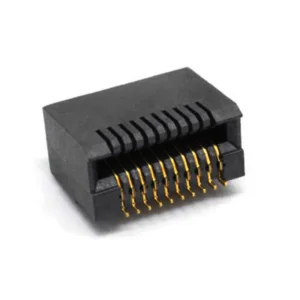
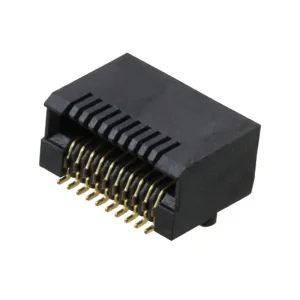
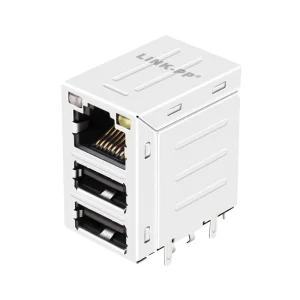
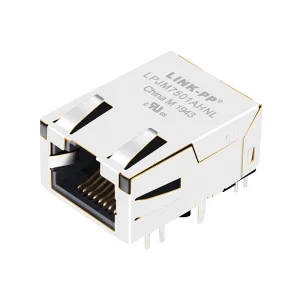
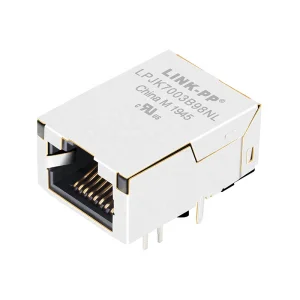
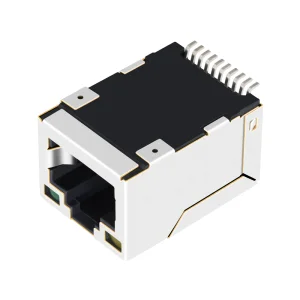
We supply SMT SFP receptacles and integrated RJ45 connectors for industrial Ethernet controllers in Liege and Charleroi. These connectors are engineered for high vibration resistance, wide operating temperature ranges, and low thermal dissipation.
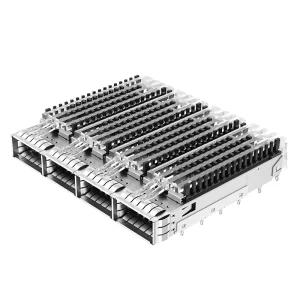
Designed for high-frequency trading and secure cloud systems, our SFP+ and QSFP cages feature optimized grounding structures to minimize signal jitter, insertion loss, and latency at data rates up to 25 Gb/s per channel.
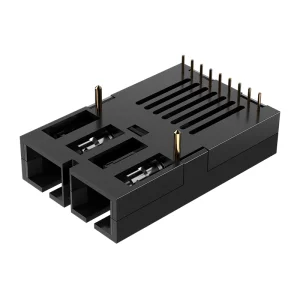
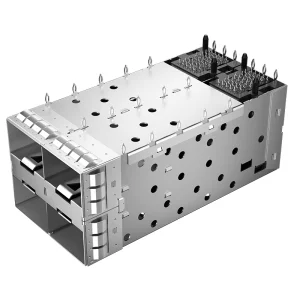
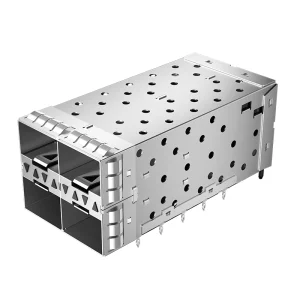
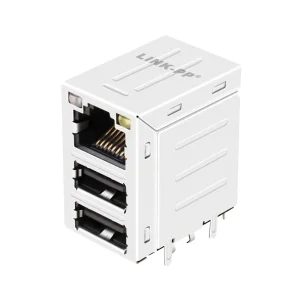
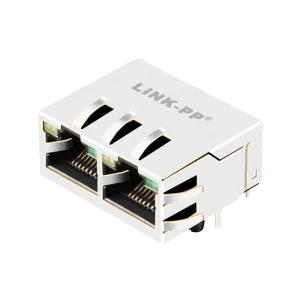
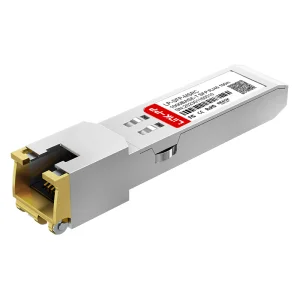
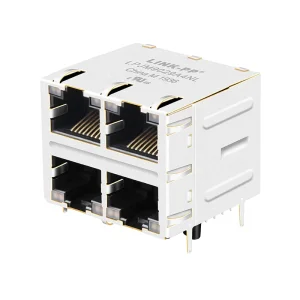
Select from our range of SFP cages, SFP receptacles, integrated magnetic RJ45 connectors, and fiber transceivers.
Key considerations for hardware procurement managers, systems integrators, and network engineers when importing structural optical components.
Ensure the manufacturer provides independent spectroscopic verification of gold contact thickness. For critical networking applications with frequent insertions, we recommend 30 micro-inches (30u") of gold over a nickel barrier layer. For cost-sensitive or fixed line installations, 15u" provides a reliable balance of cost and conductivity.
Confirm that multi-port SFP cages (e.g., 2x2, 1x4, or stacked versions) feature standardized press-fit compliant pins that are drop-in compatible with standard industry footprints (such as TE Connectivity, Molex, and Amphenol). This prevents costly PCB redesigns and production delays.
All hardware imported into Belgium and the wider EU must comply with RoHS (Restriction of Hazardous Substances) and REACH regulations. Direct manufacturers should provide certificate files for lead-free solder profiles and material safety.
High-speed transceivers (such as SFP28 operating at 25Gb/s or QSFP28 at 100Gb/s) require robust EMI shielding. Choose cages featuring stainless steel or copper-alloy spring-finger designs. This ensures reliable grounding to the chassis bezel and prevents packet loss from signal crosstalk.
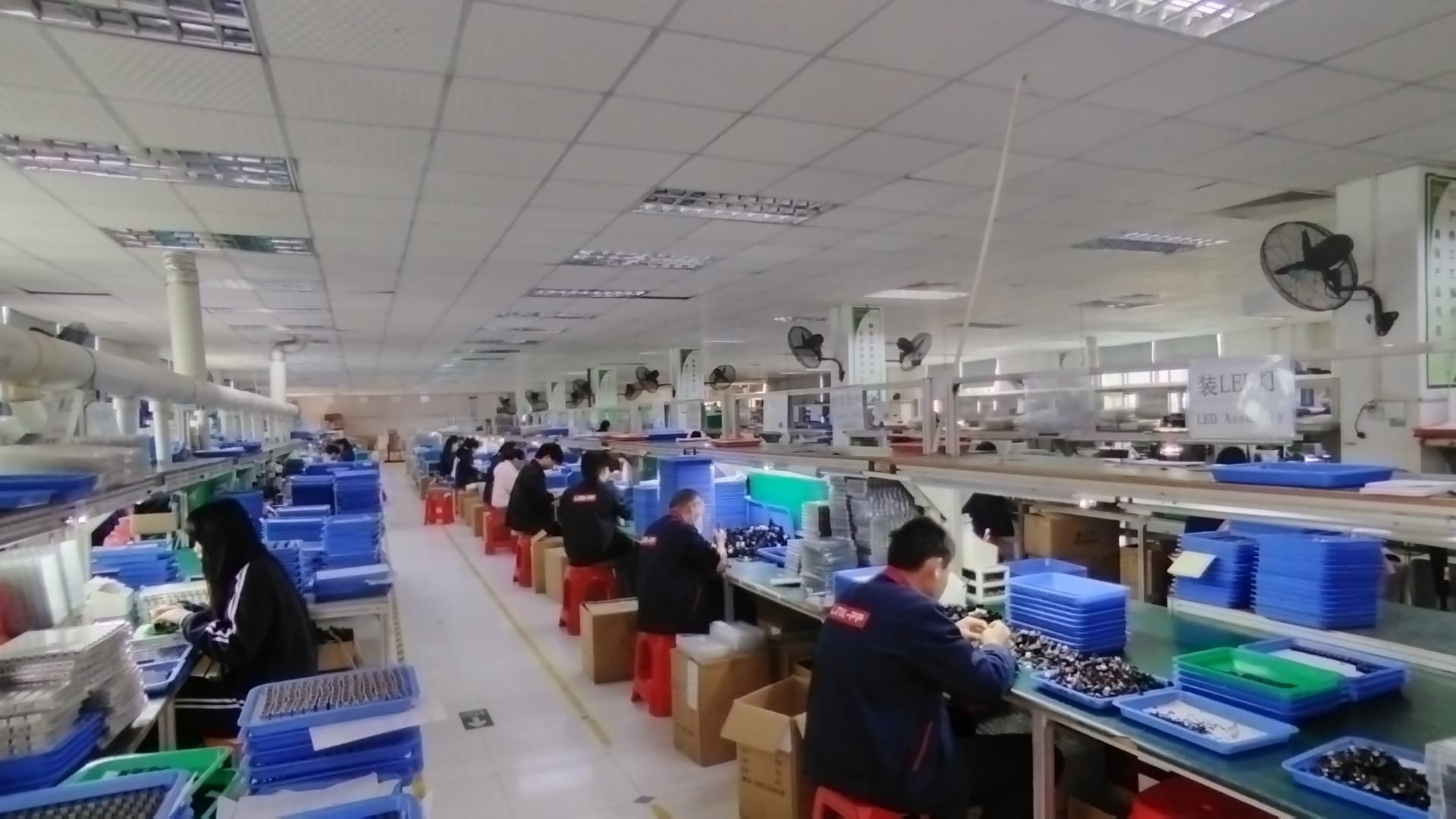
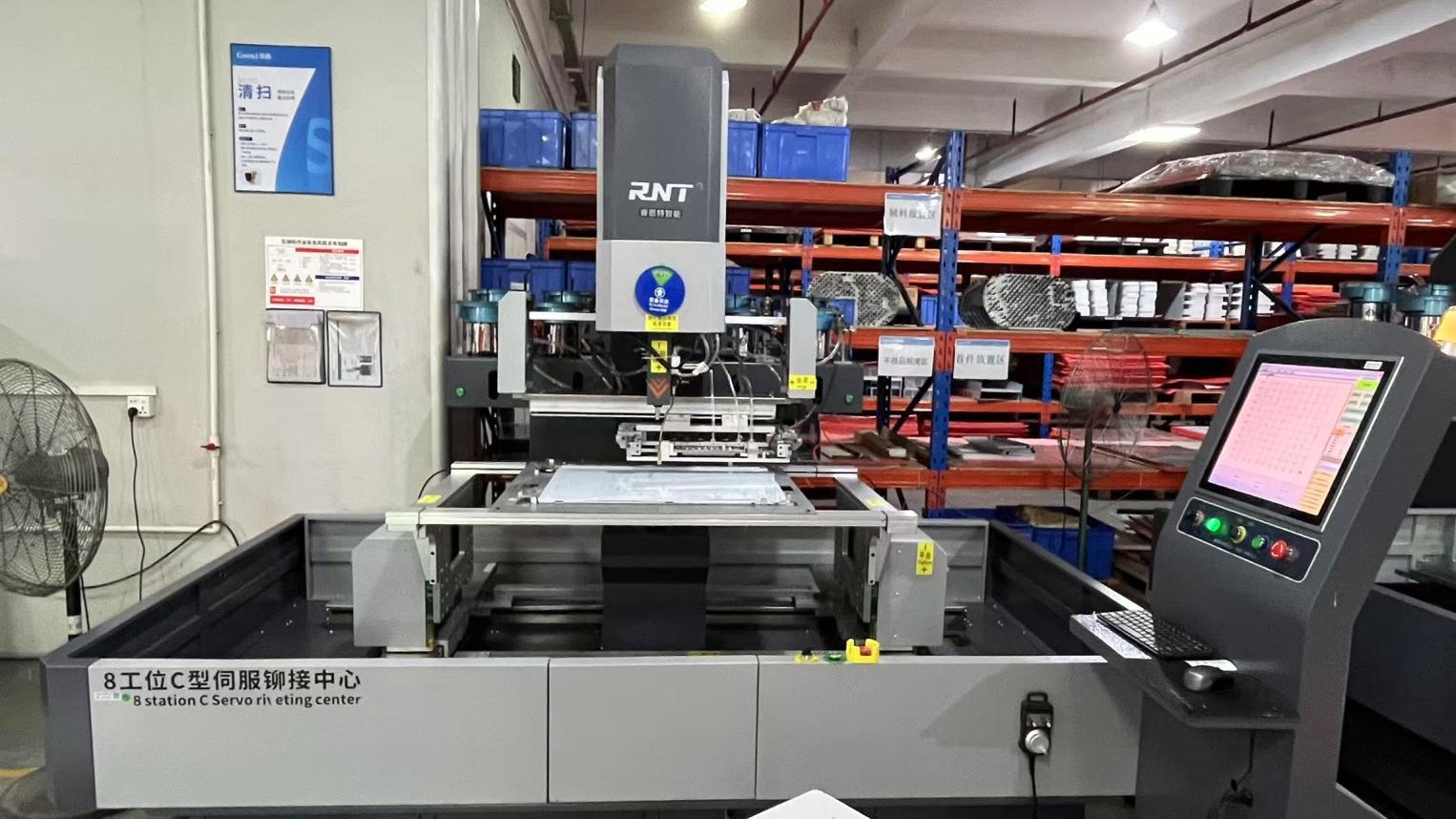
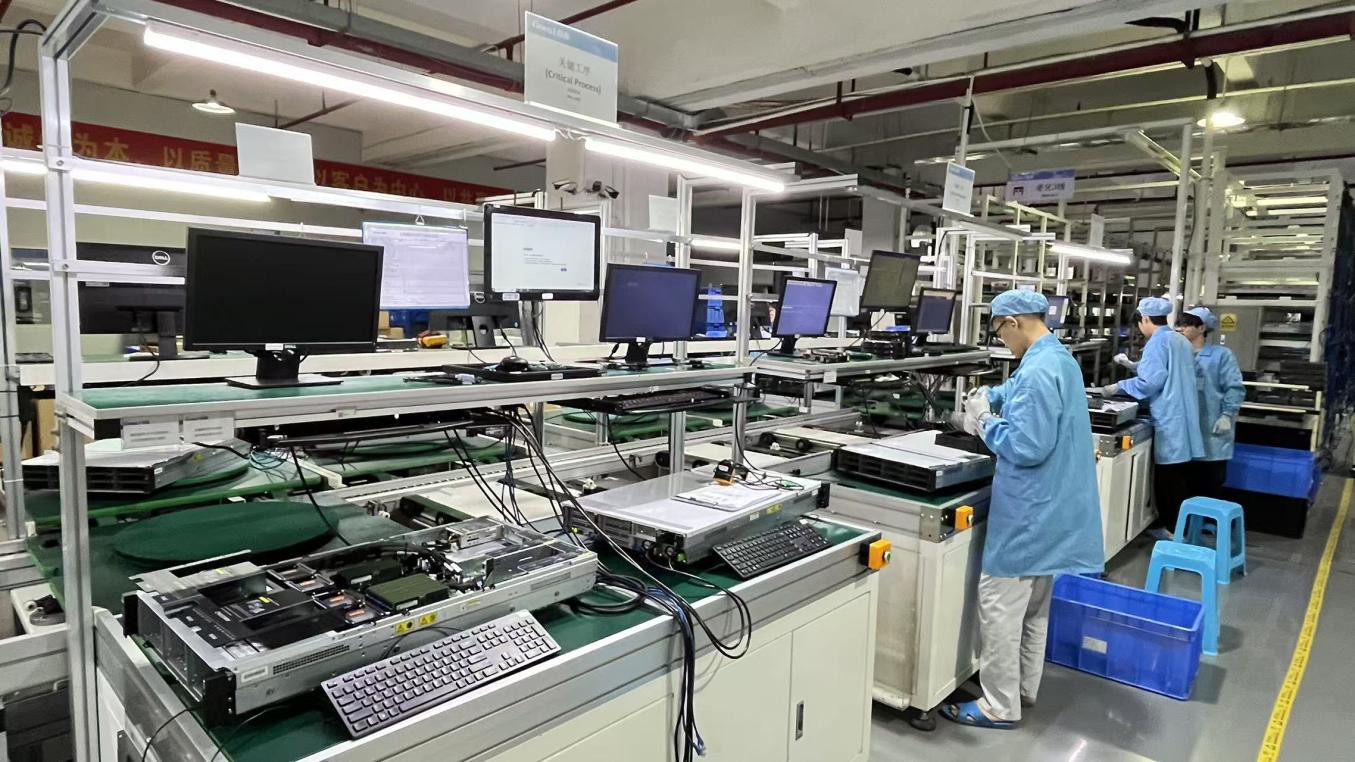
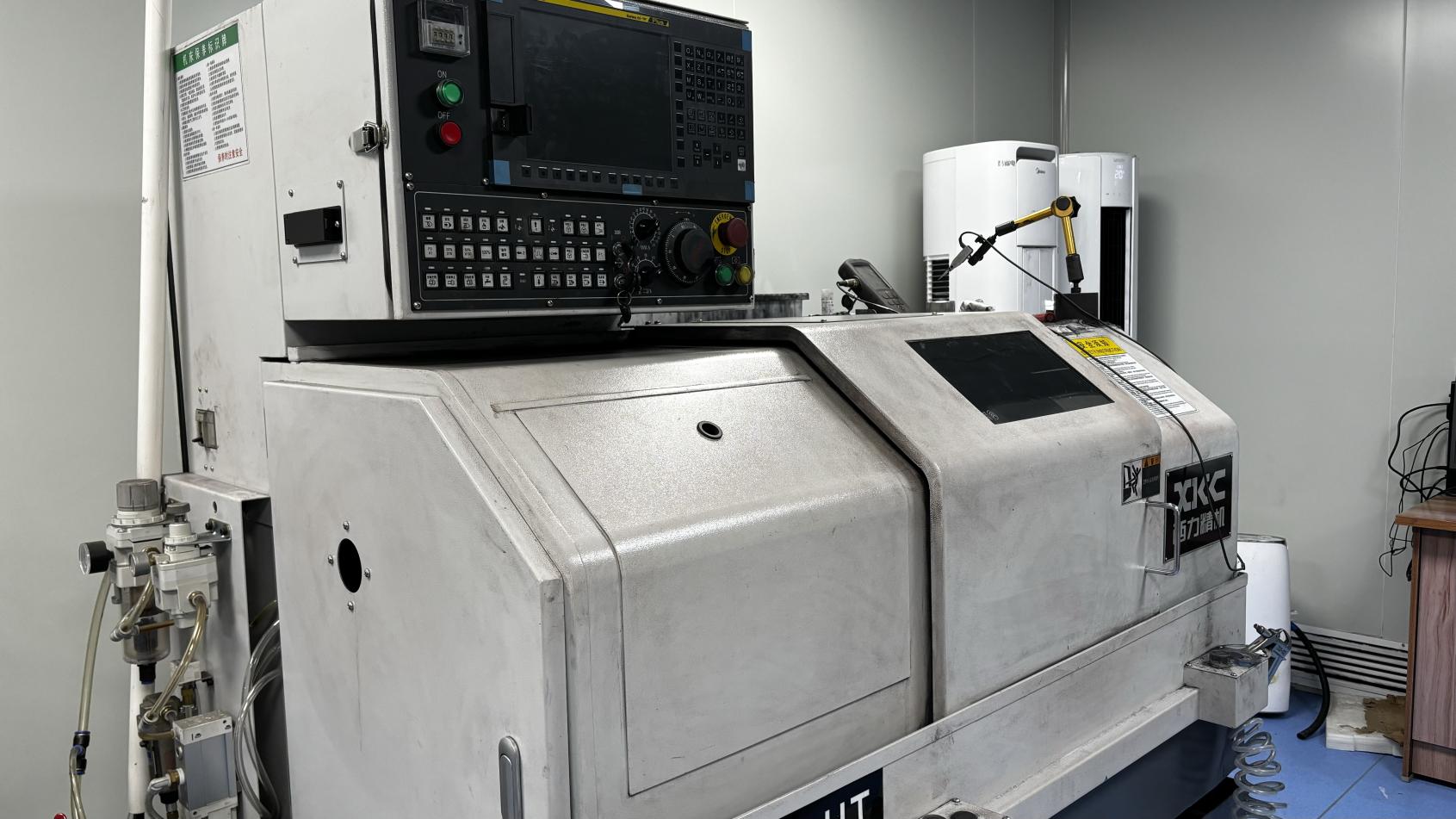
Inside Xelivor's ISO 9001-certified optical assembly cleanrooms, high-speed stamping operations, and engineering testing labs.
Technical explanations regarding SFP/SFP+ mechanical properties, layout guidelines, and manufacturing customization.