Xelivor
Xelivor
Xelivor
Engineered to optimize space and minimize electromagnetic interference in demanding high-frequency networks.
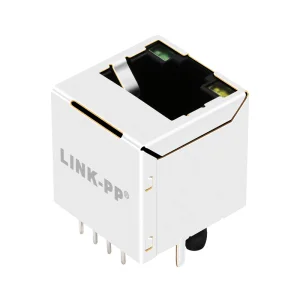
As ASEAN’s leading manufacturing powerhouse, Malaysia is experiencing an unprecedented structural upgrade in its industrial ecosystem. From the semiconductor clusters of Penang (the "Silicon Valley of the East") to the hyperscale data centers emerging in Johor Bahru and the Klang Valley, the demand for robust, space-saving signal interconnects is climbing. Within this environment, Vertical RJ45 Connectors (also referred to as 180-degree or top-entry modular jacks) have transitioned from simple passive interfaces to highly integrated, mission-critical components.
In traditional PCB layouts, right-angle (90-degree) RJ45 connectors are commonly placed at card edges. However, as modern network appliances, IoT gateways, and industrial controller modules shrink in size, vertical footprint minimization becomes crucial. Vertical RJ45 connectors allow for direct, top-down cable entry, unlocking key design opportunities:
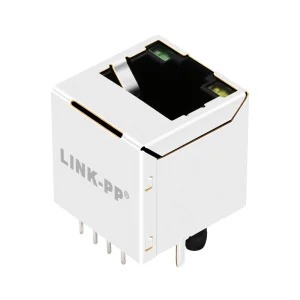
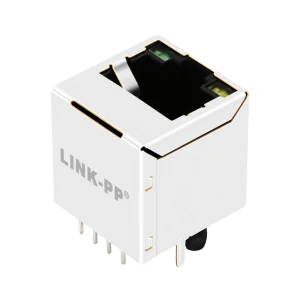
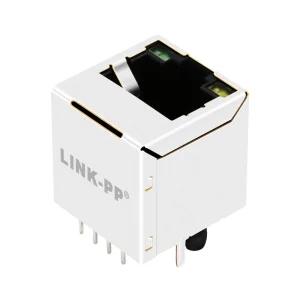
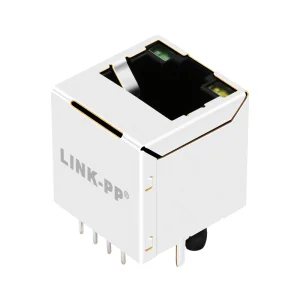
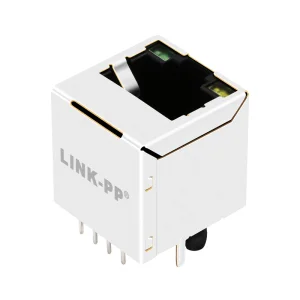
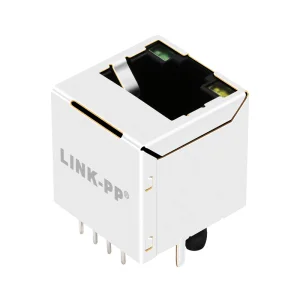
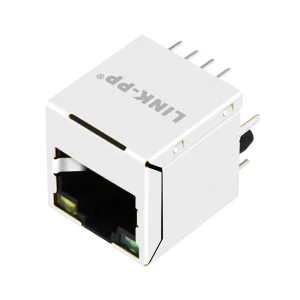
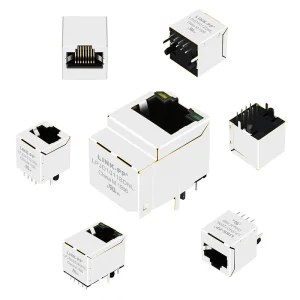
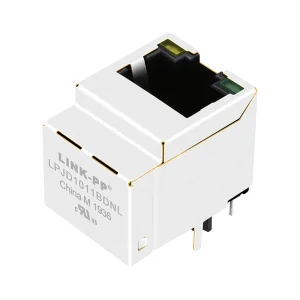
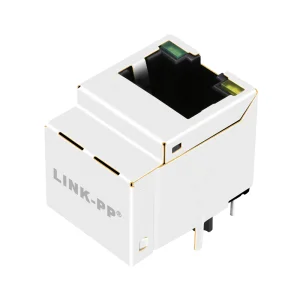
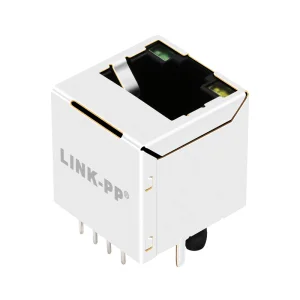
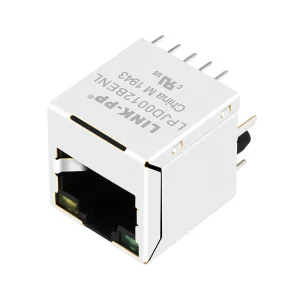
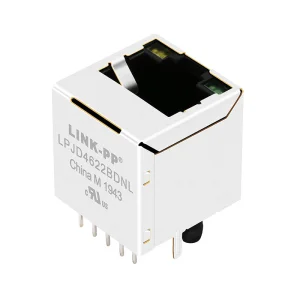
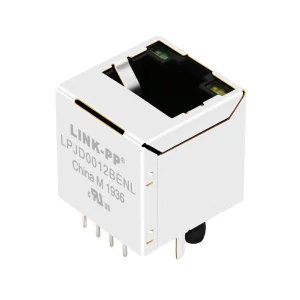
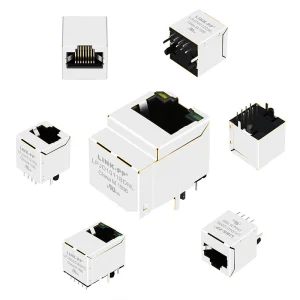
To support various industrial workloads, our product lineup is built to cater to multiple speeds, shielding standards, and mounting profiles. Below, we showcase four specialized configurations designed to meet specific engineering challenges:
The industrial landscape in Malaysia presents distinct deployment scenarios for our vertical RJ45 connectors:
In automated testing equipment (ATE) and wafer handling systems, vertical connectors are used on custom backplanes. Their high vibration tolerance prevents signal loss during high-throughput testing cycles.
As global firms establish hyperscale footprints in Johor and Selangor, vertical RJ45 jacks with integrated magnetics (MagJacks) support localized management controllers and power distribution units (PDUs).
Power over Ethernet (PoE) vertical female sockets drive smart building environmental monitoring sensors, linking back to central controllers with minimal footprint footprints.
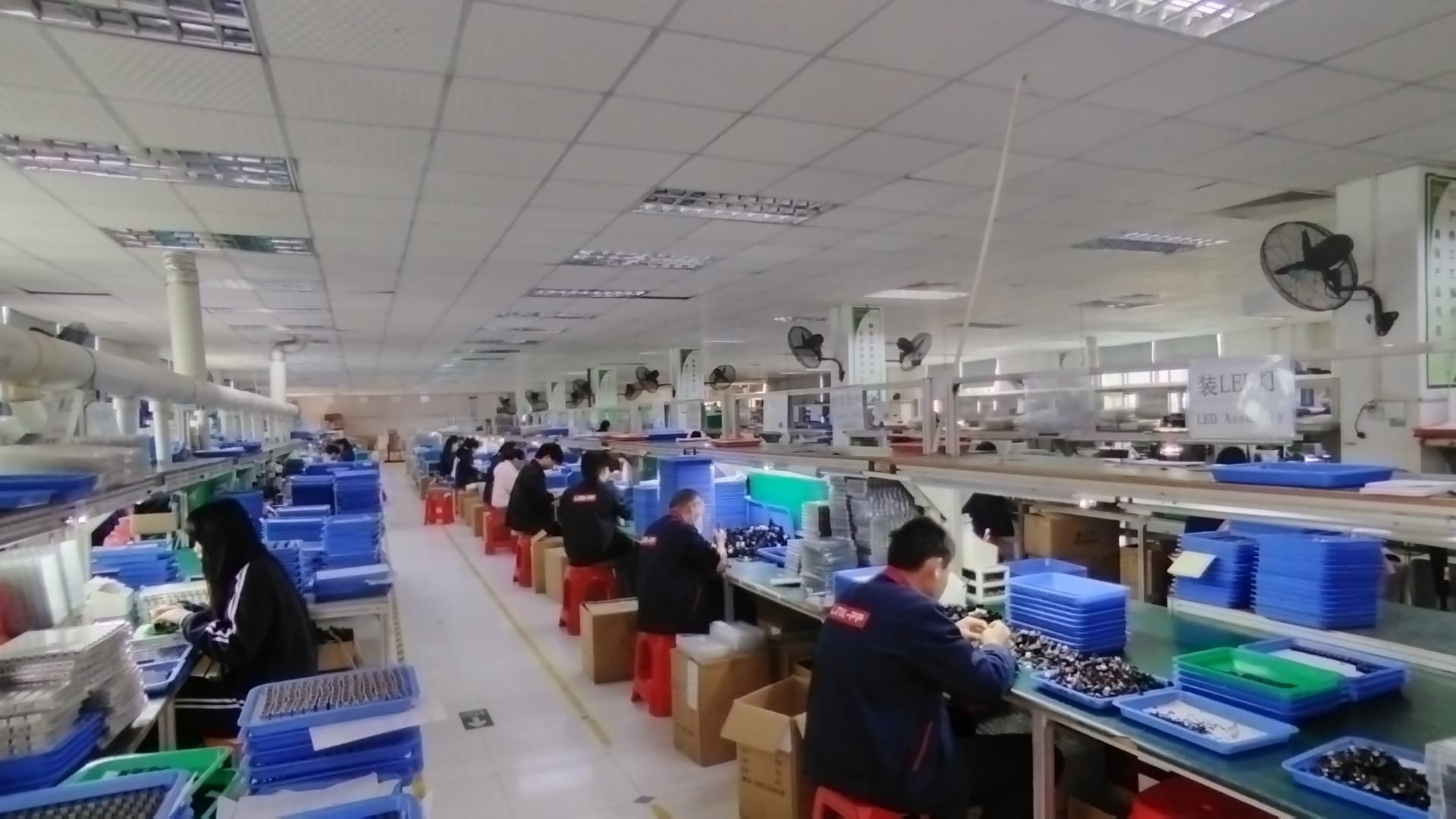
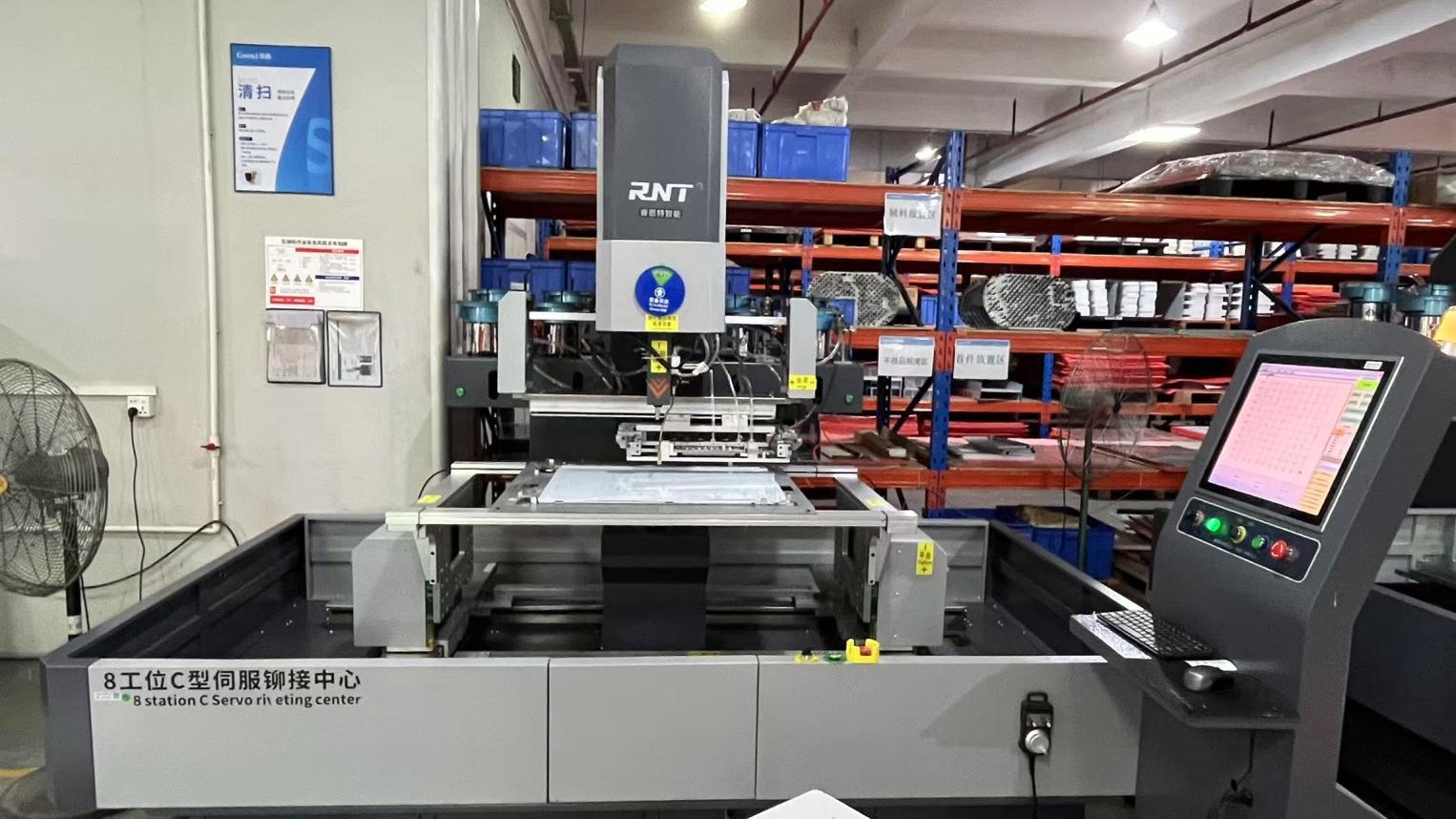
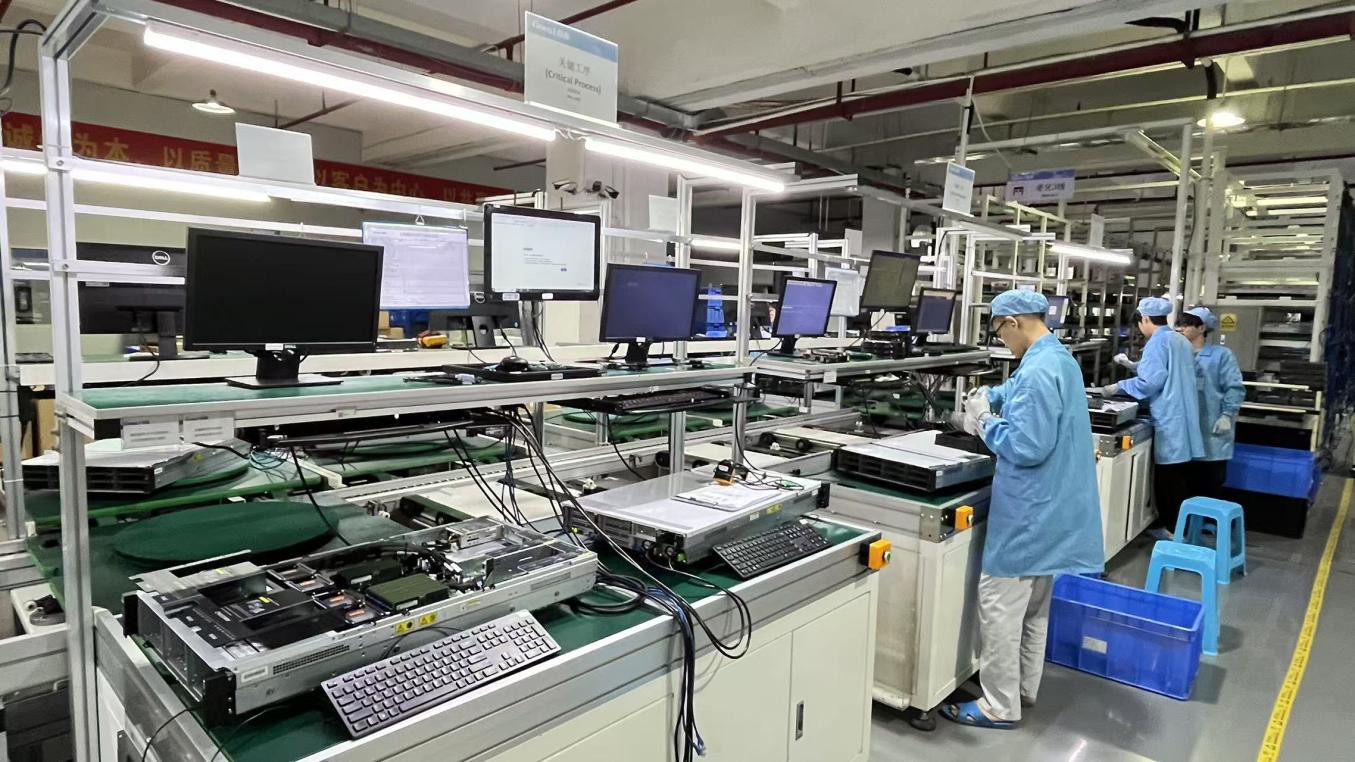
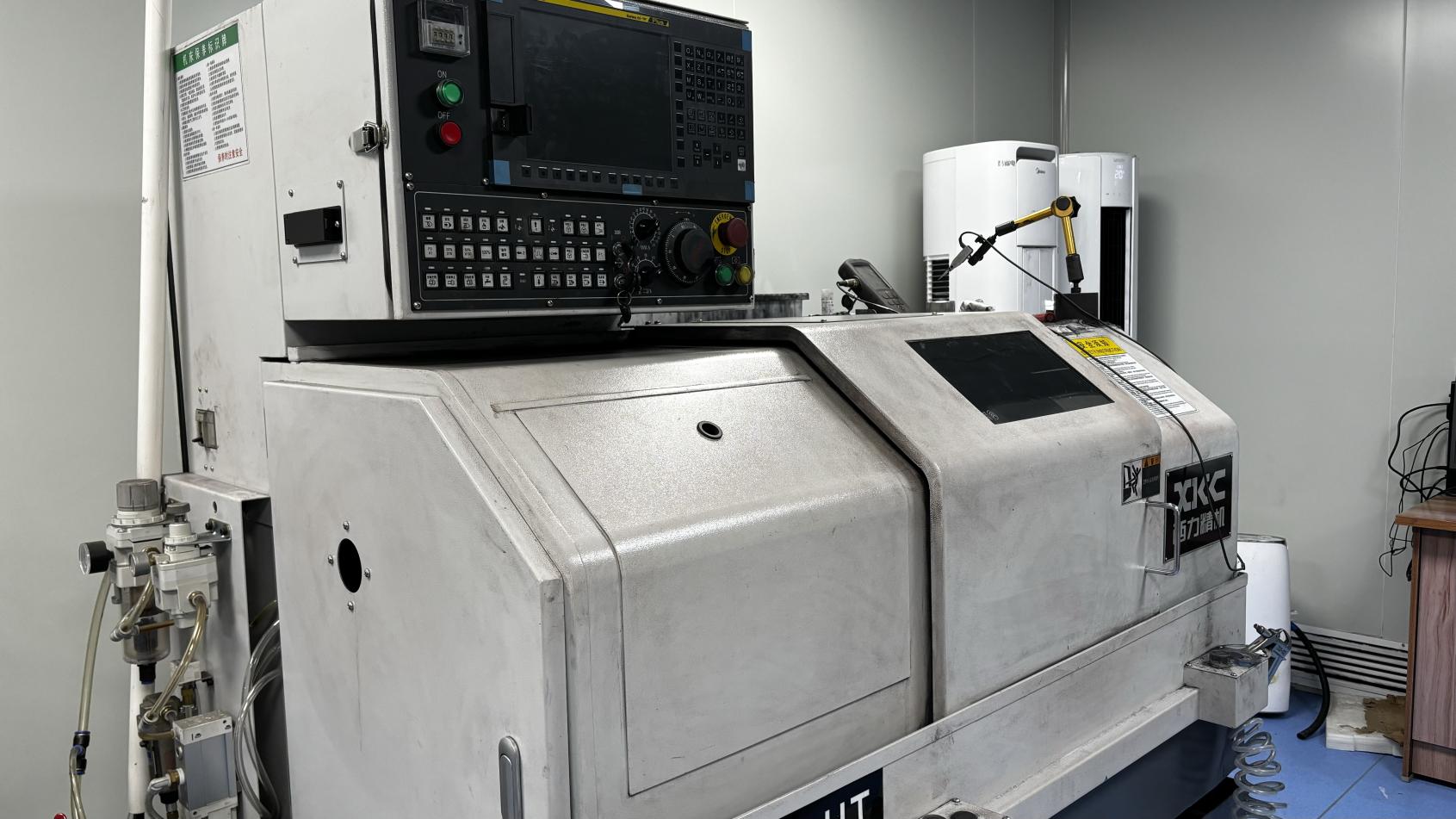
Xelivor Optoelectronics Co., Ltd. operates a modern manufacturing facility covering 386 m², dedicated to serving global telecom, data center, and cloud computing industries. Backed by 8 years of industry experience and 6 years of export history, we maintain an annual export revenue exceeding USD 12 million. Through partnership with over 850 supply chain partners, we ensure stable sourcing and rapid delivery to distributors, system integrators, and OEM/ODM clients in Southeast Asia, North America, and Europe.
The roadmap for vertical modular interfaces is driven by the demand for higher bandwidth and greater power transmission:
From unshielded Cat3 vertical ports to waterproof high-speed connectors with integrated PoE magnetic transformers.
Solving standard mechanical, routing, and shielding dilemmas encountered during PCB configuration.
A: Choose vertical (180-degree) when PCB surface area is highly constrained, and the enclosure design allows for top-entry cable access. Vertical configurations are suitable for thin profile rack units, DIN-rail modules, or stacked multi-board systems where horizontal port extraction is blocked by adjacent hardware.
A: Integrated magnetics combine isolation transformers and common-mode chokes inside the connector's metal shielding. This configuration reduces footprint space, mitigates electromagnetic interference (EMI), and provides electrical isolation (up to 1,500V RMS) to protect sensitive physical layer (PHY) chips from high-voltage transients common on factory floors.
A: Yes, but it depends on the plastic housing material. Connectors made with high-temperature LCP (Liquid Crystal Polymer) or Nylon 9T can withstand the high-temperature profiles of Lead-Free Reflow (pin-in-paste) processing. Standard polyester (PBT) components are suited for wave soldering processes only.
A: All our RJ45 interfaces are designed in compliance with FCC Part 68 and IEC 60603-7 dimensions. This ensures physical mechanical compatibility with all standard RJ45 patch cables. Our electrical performance is certified to RoHS and REACH standards for international trade compliance.
A: We maintain standard material stocks for key connectors, allowing customized samples to be produced in 3-5 days. Bulk cargo ships from Shenzhen or Guangzhou ports directly to Port Klang or Penang, with typical sea transit times of 7-10 days, providing a fast, cost-effective supply chain option for Malaysian assembly facilities.
A: Yes. Our R&D team can customize tail lengths for different board thicknesses, change LED color configurations (Green, Yellow, bi-color), and adjust grounding tab layouts to match specific chassis EMI gasket interfaces.